






Everday patients ask me "Why do I hurt so much? How did this happen?" These patients that seek care are wondering why back and neck pain seems to appear suddenly without a clear injury. In most cases, spinal pain does not result from a single event. Instead, it develops gradually due to repetitive strain, posture habits, and cumulative stress on the musculoskeletal system.
Understanding these underlying causes helps patients make sense of their symptoms and supports more effective long-term management.
Why Pain Often Has No Clear Starting Point
Spinal pain frequently develops over time rather than from a specific accident. The body can compensate for small stresses for weeks, months, or even years before symptoms become noticeable.
By the time pain appears, it is often the result of:
-
Repetitive daily strain
-
Postural overload
-
Muscle imbalance
-
Reduced mobility
-
Increased nervous system sensitivity
What feels like a sudden problem is usually the final stage of a gradual process.
Common Causes of Gradual Back and Neck Pain
1. Prolonged Sitting and Desk Work
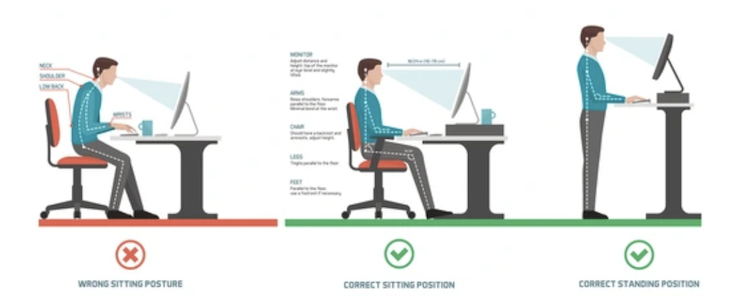
Extended sitting places sustained stress on the spine, particularly the lower back and cervical region. Forward head posture and rounded shoulders increase mechanical load on spinal structures.
Common effects include:
-
Tight hip flexors
-
Weak core and postural muscles
-
Cervical strain from forward head posture
2. Poor Posture and Movement Patterns
Posture is not just a static position—it reflects how the body is used throughout the day. Repetitive slouching, screen use, and improper lifting patterns can gradually alter spinal mechanics.
Over time, this may contribute to:
-
Joint restriction
-
Muscle imbalance
-
Increased strain on ligaments and discs
3. Repetitive Micro-Strain
Even without obvious injury, small repetitive stresses accumulate. Driving, computer use, childcare, and occupational tasks can all contribute to gradual tissue overload.
The body adapts until it reaches a threshold where symptoms begin.
4. Decreased Mobility and Sedentary Lifestyle
Lack of movement reduces circulation, joint lubrication, and tissue resilience. Stiffness develops, making the spine more vulnerable to strain during normal activities.
5. Stress and Nervous System Sensitization
Emotional stress and poor sleep can increase muscle tension and heighten pain sensitivity. In some cases, the nervous system becomes more reactive, amplifying otherwise minor discomfort.
Why Symptoms Often Feel Sudden
Patients frequently notice pain during simple activities such as:
-
Getting out of bed
-
Turning the head
-
Bending or lifting
-
Sitting for extended periods
These movements are typically not the true cause of pain. Instead, they reveal an underlying condition that has been developing over time.
How Chiropractic Care Can Help
Chiropractic care focuses on restoring proper spinal function and improving how the body responds to daily stress.
Treatment may include:
-
Chiropractic adjustments to improve joint mobility
-
Soft tissue therapy to reduce muscular tension
-
Corrective exercises to improve stability and strength
-
Postural and ergonomic guidance
-
Lifestyle recommendations to reduce strain
The goal is not only symptom relief, but improved function and long-term prevention.
Preventing Recurrent Back and Neck Pain
Patients can reduce the risk of recurring symptoms by:
-
Taking frequent breaks from sitting
-
Improving workstation ergonomics
-
Strengthening core and postural muscles
-
Maintaining regular physical activity
-
Managing stress and sleep quality
Small daily changes often have a significant long-term impact on spinal health.
Conclusion
Back and neck pain rarely occur without reason. In most cases, they are the result of cumulative stress, posture patterns, and lifestyle factors that gradually overload the spine. Identifying and addressing these contributors is key to long-term improvement and prevention.
If you are experiencing persistent spinal discomfort, a thorough evaluation can help determine the underlying cause and guide an effective treatment plan.

Jessica Walker, DC
Contact Me