
Have you been treating shoulder pain for weeks—or even months—without lasting relief?
If you've tried stretching your shoulder, icing it, taking medication, or even receiving shoulder specific treatment but the pain keeps returning, the source of your pain may not actually be your shoulder.
In many cases, the problem starts in the cervical spine (neck).
At Spine Align Chiropractic & Wellness, we frequently evaluate patients who are surprised to learn that an irritated nerve in the neck is responsible for pain deep in the shoulder, under the armpit, or even around the shoulder blade.
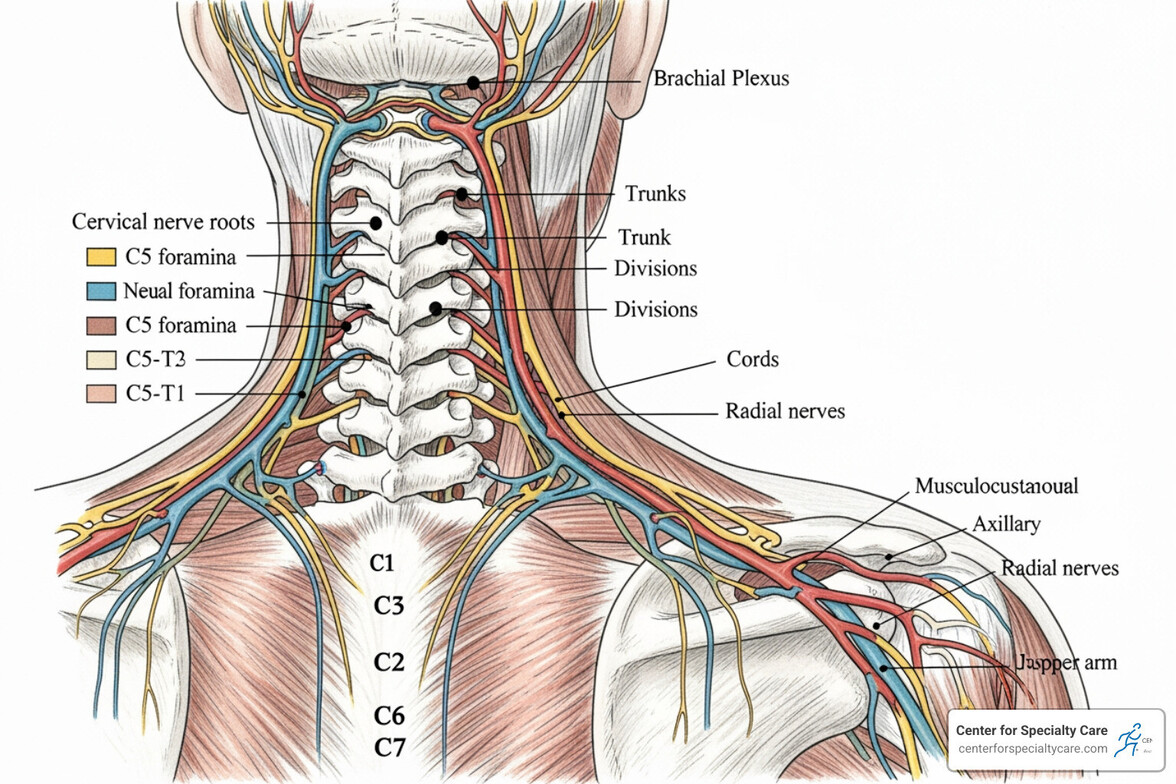
The C5 and C6 Nerves: The Highway Between Your Neck and Shoulder
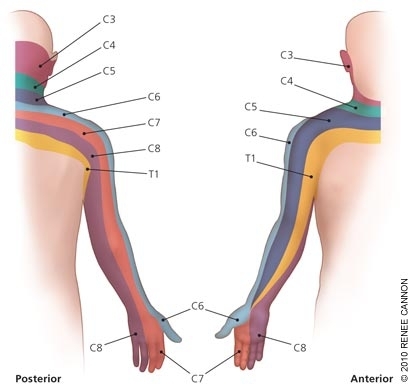
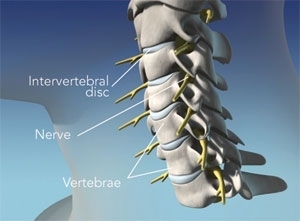
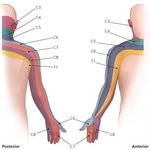
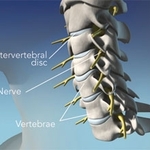
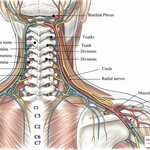
Your neck contains seven vertebrae (C1-C7). Between these vertebrae, spinal nerves exit and travel into your shoulders, arms, and hands.
Two of the most important nerve roots for shoulder function are C5 and C6.
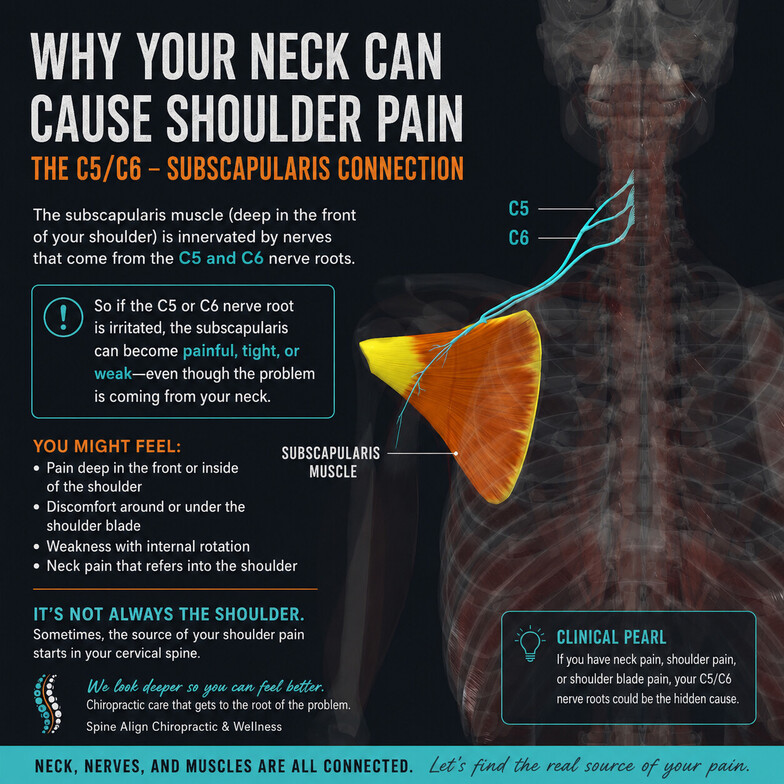
These nerves contribute to several muscles of the shoulder, including the subscapularis, one of the four rotator cuff muscles.
The subscapularis:
-
Stabilizes the shoulder joint
-
Helps rotate your arm inward (internal rotation)
-
Assists with lifting and reaching activities
-
Plays a major role in shoulder strength
Because the upper and lower subscapular nerves arise primarily from the C5 and C6 nerve roots, irritation of these nerve roots can affect how the muscle functions, even if the muscle itself isn't injured. (https://pmc.ncbi.nlm.nih.gov/articles/PMC6790919/)
What Happens When C5 or C6 Becomes Irritated?
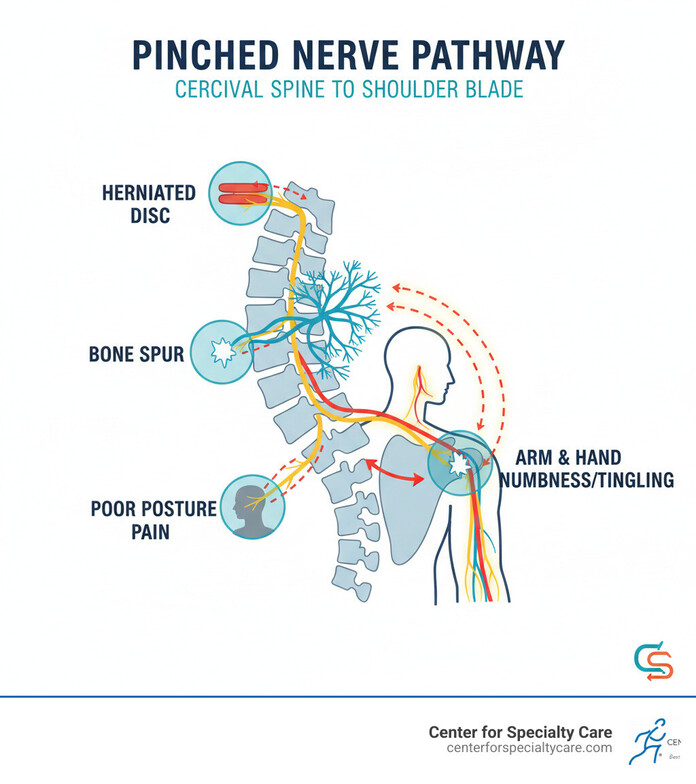
A bulging disc, cervical arthritis, spinal degeneration, inflammation, or reduced movement in the neck can irritate the C5 or C6 nerve root.
When this happens, the nerve may send abnormal signals to the muscles it supplies.
Patients often experience:
-
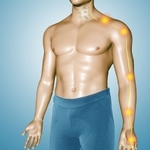
Deep aching pain in the front of the shoulder
-
Pain underneath the armpit
-
Pain around or beneath the shoulder blade
-
Muscle tightness or guarding
-
Weakness when rotating the arm inward
-
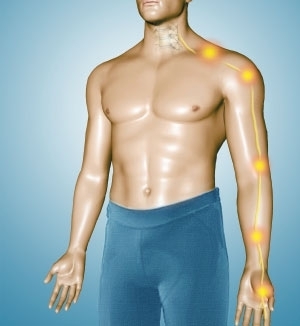
Neck pain that radiates into the shoulder
-
Difficulty lifting or reaching overhead
Many people assume they have a rotator cuff tear when, in reality, the neck is contributing significantly to their symptoms.
Why Does It Hurt Under My Armpit?
This is one of the most common questions we hear.
The subscapularis muscle sits on the front surface of the shoulder blade, hidden beneath other muscles.
When it becomes irritated or tight, pain is often felt:
-
deep inside the shoulder
-
beneath the armpit
-
along the front of the shoulder
-
toward the side of the chest
Since the muscle cannot easily be seen or touched, patients often struggle to identify where the pain is actually coming from.
If the muscle is becoming irritated because its nerve supply is compromised, treating only the shoulder may not solve the problem.
Why Shoulder Blade Pain Can Actually Come From the Neck
Another surprising symptom is pain around the shoulder blade (scapula).
Research has shown that scapular pain is very common in cervical radiculopathy, and it may even appear before pain radiates into the arm. (https://pmc.ncbi.nlm.nih.gov/articles/PMC6790919/)
This occurs because irritated cervical nerve roots can produce:
-
referred pain
-
protective muscle spasms
-
increased muscle tension
-
altered movement patterns
As a result, muscles such as the upper trapezius, levator scapulae, rhomboids, and other stabilizing muscles often become tight in an effort to protect the irritated area.
Many patients describe this as:
"It feels like a knot under my shoulder blade that never goes away."
In many cases, that "knot" is actually a symptom, not the underlying problem.
Is It My Shoulder or My Neck?
Sometimes it's both.
A true shoulder injury such as:
-
rotator cuff tendinopathy
-
bursitis
-
labral injury
-
arthritis
can occur alongside irritation of the cervical spine.
This is why a thorough examination is so important.
During your evaluation, we assess both the neck and the shoulder to determine where your symptoms are truly originating. Studies show that cervical and shoulder disorders frequently coexist, making a comprehensive examination essential. (https://pmc.ncbi.nlm.nih.gov/articles/PMC6790919/)
Signs Your Neck May Be Involved
Your shoulder pain may actually be coming from your neck if:
-
Turning your head changes your shoulder pain
-
Looking up increases symptoms
-
Pain travels into your arm
-
You experience numbness or tingling
-
Your shoulder MRI appears relatively normal
-
Shoulder treatments haven't provided lasting relief
-
You also have neck stiffness or headaches
How Chiropractic Care Can Help
When shoulder pain is related to dysfunction in the cervical spine, treatment should focus on restoring normal function to the neck while addressing the muscles that have become tight and protective.
Depending on your individual condition, your treatment plan may include:
-
Chiropractic spinal adjustments
-
Soft tissue therapy
-
Targeted rehabilitation exercises
-
Postural correction
-
Shockwave therapy (when appropriate)
The goal isn't simply to reduce pain—it's to identify and treat the underlying cause.
Don't Ignore the Neck
Pain is not always felt where the problem begins.
If you've been frustrated by persistent shoulder pain, shoulder blade discomfort, or pain beneath the armpit without a clear explanation, your neck deserves a closer look.
At Spine Align Chiropractic & Wellness, we evaluate the entire kinetic chain to determine whether your symptoms are truly coming from the shoulder or whether the cervical spine is the hidden source.
Schedule an Evaluation
If you're experiencing persistent neck pain, shoulder pain, or pain around the shoulder blade, we'd be happy to help determine what's causing it.
A comprehensive examination can help identify whether your symptoms are originating from the shoulder, the cervical spine, or a combination of both, allowing us to create a treatment plan tailored to your specific condition.

Jessica Walker, DC
Contact Me